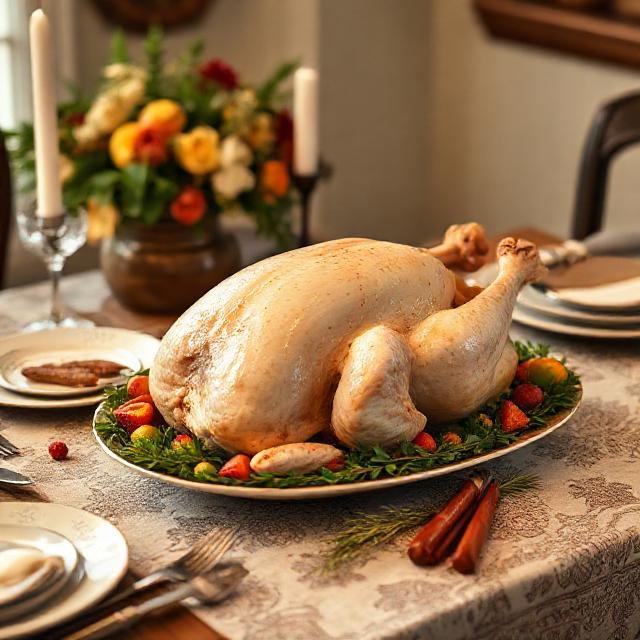
Let’s talk turkey. But not just any turkey. We’re talking about the latest, and frankly, most perplexing culinary trend to strut its stuff into our kitchens: the albino turkey. No, this isn’t some rare game bird plucked from the shadowy depths of a mythical forest. This is a regular, garden-variety turkey, meticulously, and some might say maniacally, bleached to achieve a pearly white hue. And before you dismiss this as a fleeting fad, a momentary blip on the radar of gastronomic absurdity, let me assure you, it’s rapidly becoming a full-blown phenomenon, particularly among the student demographic.
Now, as a student navigating the treacherous waters of ramen-fueled existence and questionable life choices, I understand the allure of a good trend. We’ve seen it all: the avocado toast craze, the acai bowl obsession, the intermittent fasting phase that left half of us perpetually hangry. But the albino turkey? This feels like a new level of commitment, a dedication to a color palette that frankly, belongs more in a dermatology textbook than on a dinner plate.
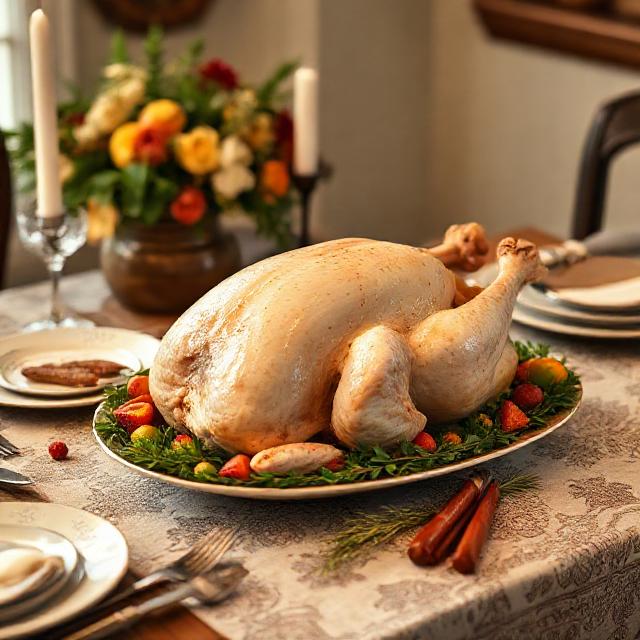
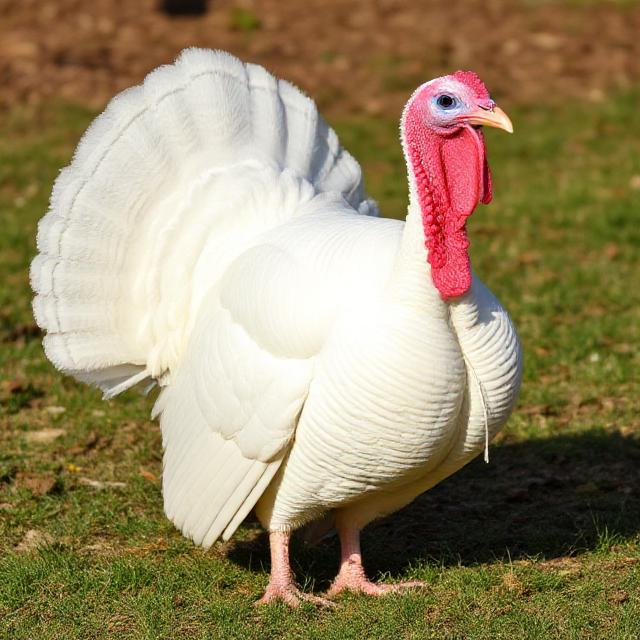
The “why” behind this stark white poultry is a topic that sparks heated debate. Some proponents, often found lurking in obscure corners of TikTok and Instagram, claim it’s about a “cleaner aesthetic.” They argue that the natural coloring of a turkey is… well, natural, and therefore, dare I say it, a little bit earthy. Earthy is apparently the new black, and for these culinary alchemists, it’s a color to be eradicated. They’re not just aiming for a pale bird; they’re striving for a ghostly luminescence, a spectral avian specimen that would make Casper the Friendly Ghost jealous.
The methods employed are, to put it mildly, intense. We’re talking about harsh chemicals, prolonged soaking, and a level of dedication that frankly, I’d rather see applied to acing that upcoming calculus exam. Hydrogen peroxide, bleach solutions, and even more exotic, and frankly concerning, chemical concoctions are reportedly being used to strip the bird of its natural pigments. The process is described with a reverence usually reserved for ancient rituals or the creation of a Michelin-starred dish. “It’s a delicate process,” one self-proclaimed albino turkey guru chirped in a viral video, “you have to be patient. You can’t rush perfection.”
Perfection? My friends, we need to have a serious conversation about what constitutes culinary perfection. Is it the absence of natural color? Is it the ability to make a bird look like it’s been undergoing a continuous spa treatment since birth? Because if that’s the case, then we’ve clearly lost our collective minds.
Let’s delve into the “how” of this widespread bleaching. It’s not just a quick dip. We’re talking about multi-day marathons of immersion. Imagine this: a perfectly good turkey, destined for a delicious roast, is instead subjected to a chemical bath, its natural beauty sacrificed on the altar of paleness. The reasoning, as far as I can gather from the digital ether, is that the bleached meat is supposedly more tender, more absorbent of marinades, and frankly, just prettier for Instagram. The latter point, I suspect, is the driving force. In a world where we eat with our eyes first – or more accurately, with our followers’ eyes – a stark white turkey is undeniably… different. It stands out. It sparks curiosity. It gets likes.
But at what cost? This is where the persuasive part of my brain kicks in, the part that remembers the simple joy of a well-cooked meal that doesn’t require a HAZMAT suit to prepare. We are talking about ingesting food that has been treated with chemicals designed for cleaning, not consumption. While proponents will vehemently argue that the bleaching agents are diluted and rinsed thoroughly, the lingering question remains: are we truly comfortable with this? Are we so desperate for a fleeting online aesthetic that we’re willing to play Russian roulette with our digestive systems?
The “health” aspect of this trend is, frankly, a joke. There is absolutely zero scientific evidence to suggest that bleaching a turkey makes it healthier. In fact, the opposite is likely true. Introducing harsh chemicals into food preparation can lead to unintended consequences. We’re talking about potential residue, altered nutritional profiles, and the general unease of consuming something that looks profoundly unnatural. My grandmother, a woman who could coax the flavor out of a cardboard box, would be appalled. She believed in the natural goodness of food, in respecting the ingredients. This albino turkey phenomenon feels like a direct insult to that legacy.
And let’s be honest, the “absorbent of marinades” argument is a flimsy excuse for a visual gimmick. A perfectly brined or marinated turkey will absorb flavors beautifully, regardless of its natural hue. The color of your turkey should be the least of your culinary concerns. Focus on the flavor, the texture, the aroma. Focus on making something genuinely delicious, not something that looks like it’s suffering from a severe case of vitiligo.
The irony is, the very things that make a turkey appealing – its rich, natural coloring, the subtle variations in its skin – are being deliberately eradicated. We’re striving for a bland, monochromatic canvas when the beauty lies in the spectrum of natural tones. It’s like a painter deciding to only use shades of grey because they find color too… distracting.
This trend is particularly prevalent among students, and I think I understand why. We’re constantly bombarded with curated realities online. We see perfectly filtered lives, impossibly perfect meals, and we feel this pressure to replicate that perfection. The albino turkey is the ultimate, albeit bizarre, manifestation of this. It’s a way to stand out, to be unique, to create content that demands attention. It’s a shortcut to perceived culinary prowess, a way to impress without necessarily mastering the art of cooking.
But let’s be real. The amount of effort and the questionable substances involved in achieving this albino turkey are far more demanding than simply learning to roast a turkey properly. It requires a level of dedication that, if applied elsewhere – say, to developing actual cooking skills, understanding flavor profiles, or even just learning how to make a decent sauce – would result in far more satisfying and, dare I say, delicious outcomes.
Instead of chasing the ghost of a white turkey, why not embrace the vibrant, natural beauty of food? Why not experiment with spices, herbs, and cooking techniques that enhance, rather than erase, the inherent qualities of the ingredients? Imagine a perfectly roasted turkey, its skin a beautiful golden brown, its meat succulent and flavorful, its aroma filling your kitchen with warmth and comfort. That, my friends, is culinary perfection. Not a pale, bleached imitation that looks like it’s about to whisper secrets of the void.
The albino turkey trend is a symptom of a larger issue: our obsession with superficiality over substance. It’s a testament to the power of social media to promote even the most outlandish ideas as desirable. It’s a culinary misadventure that prioritizes appearance over everything else, including, potentially, our health.
So, the next time you see an albino turkey gracing your feed, or hear about someone undertaking this bizarre bleaching ritual, I urge you to pause. Consider the implications. Question the trend. And for the love of all that is delicious, stick to the tried and true methods of preparing your poultry. Embrace the natural. Embrace the flavor. Embrace the turkey as it was meant to be, not as some ghostly, bleached apparition. Let’s bring our culinary focus back to taste, to tradition, and to the simple, unadulterated joy of a genuinely good meal. Our stomachs, and our common sense, will thank us.

 The Daily Blabbity
Leave a comment